
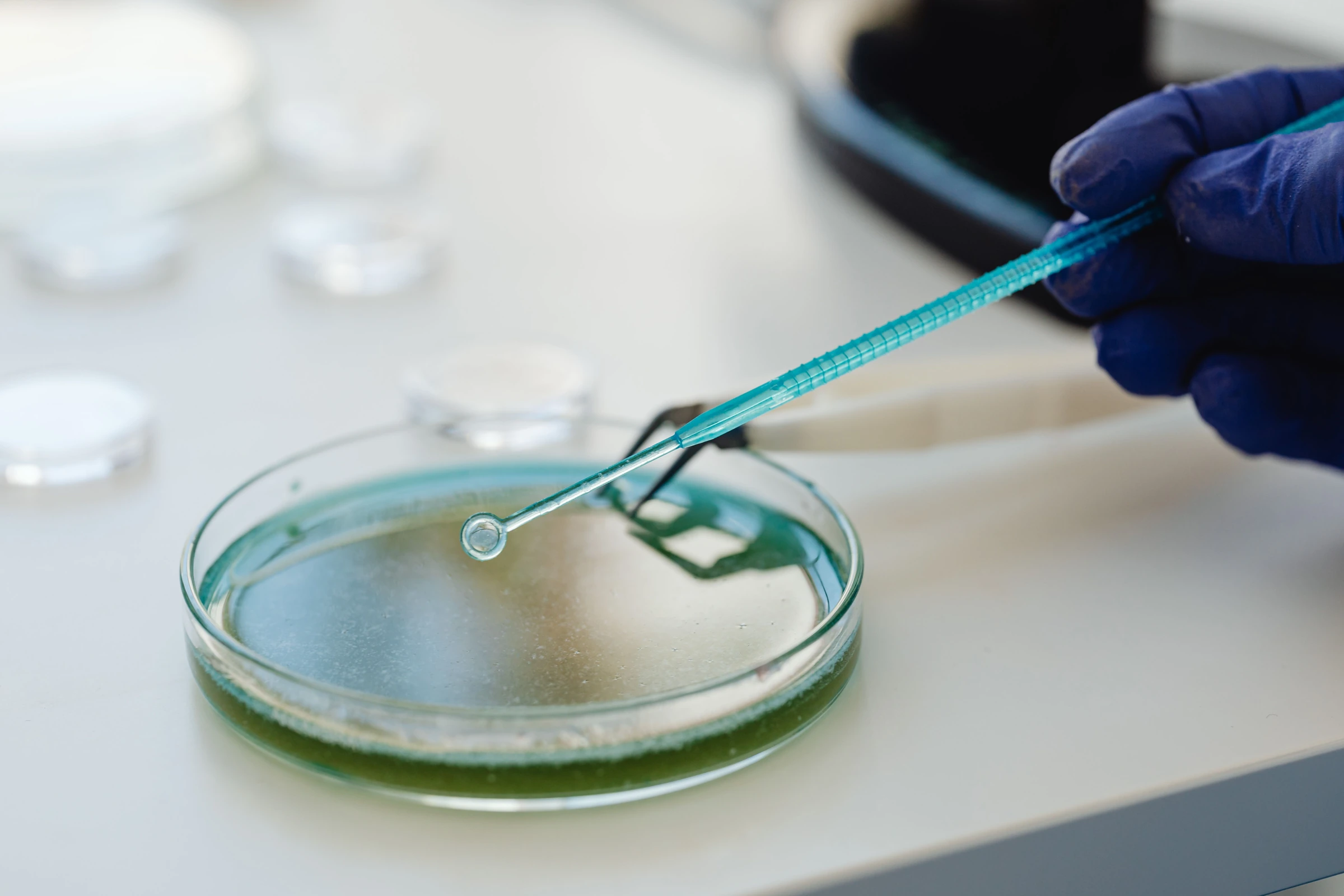
Overview
Stem cell products may come from umbilical cord tissue, placental tissue, adipose tissue, or bone marrow. After injection into an injured joint or tissue, the intended process is to support repair through the body’s healing mechanisms. The source notes that any tissue response may take weeks or months and can depend on the extent of the injury. Stem cell therapy and platelet-rich plasma (PRP) may be considered separately or together in some cases, but the appropriate approach depends on an individual evaluation.
Common symptoms
- Chronic joint pain
- Joint stiffness or dysfunction
- Chronic joint swelling
- Pain related to a ligament sprain or muscle strain
Conditions we evaluate
- Ligament sprains
- Muscle strains
- Torn ligaments or muscles
- Chronic joint pain and inflammation
Diagnosis
A consultation can review the location and duration of pain, swelling, stiffness, or reduced joint function and consider whether the problem involves a joint, ligament, muscle, tendon, cartilage, or bone. The source describes possible candidates as healthy adults with the symptoms or injuries listed above, especially when approaches such as physical therapy, massage, or electrical stimulation have not provided enough relief. A clinician must determine eligibility and discuss risks, alternatives, and expected limitations for the individual.
Treatment options
Treatment involves injecting a selected stem cell product into injured tissue, which may include bone, cartilage, a ligament, muscle, or tendon. The source also describes PRP as a possible separate or combined option; PRP is prepared from a person’s blood and processed before injection. Whether stem cell therapy, PRP, both, or another approach is appropriate requires individualized clinical discussion. Patients should review possible benefits, uncertainties, alternatives, and risks, and should not expect a guaranteed cure or outcome.