

Care built around you.
Search by condition, body area, or the kind of injury that brought you here. Every result links to the same detailed service information.
14 matching services across body-area care, injury care, and treatments.
Where does it hurt?
Choose the area that needs attention to find a focused starting point.

Shoulder Pain
Shoulder pain can follow trauma, work incidents, auto accidents, or problems involving the joint’s muscles and surrounding tissues. Common causes include tendinitis, rotator cuff tears, bursitis, strains, impingement, labral tears, fractures, and arthritis. An orthopedic evaluation considers where the pain occurs, what movements affect it, and how symptoms influence shoulder function before treatment options are discussed.
Explore care options
Hip Pain
Hip pain can follow an accident, workplace incident, sports or exercise activity, or gradual wear and tear. Symptoms may affect the front, side, or back of the hip and can limit walking, standing, sleep, or movement. Evaluation considers the history, physical examination, and, when appropriate, imaging so care can be matched to the suspected cause.
Explore care options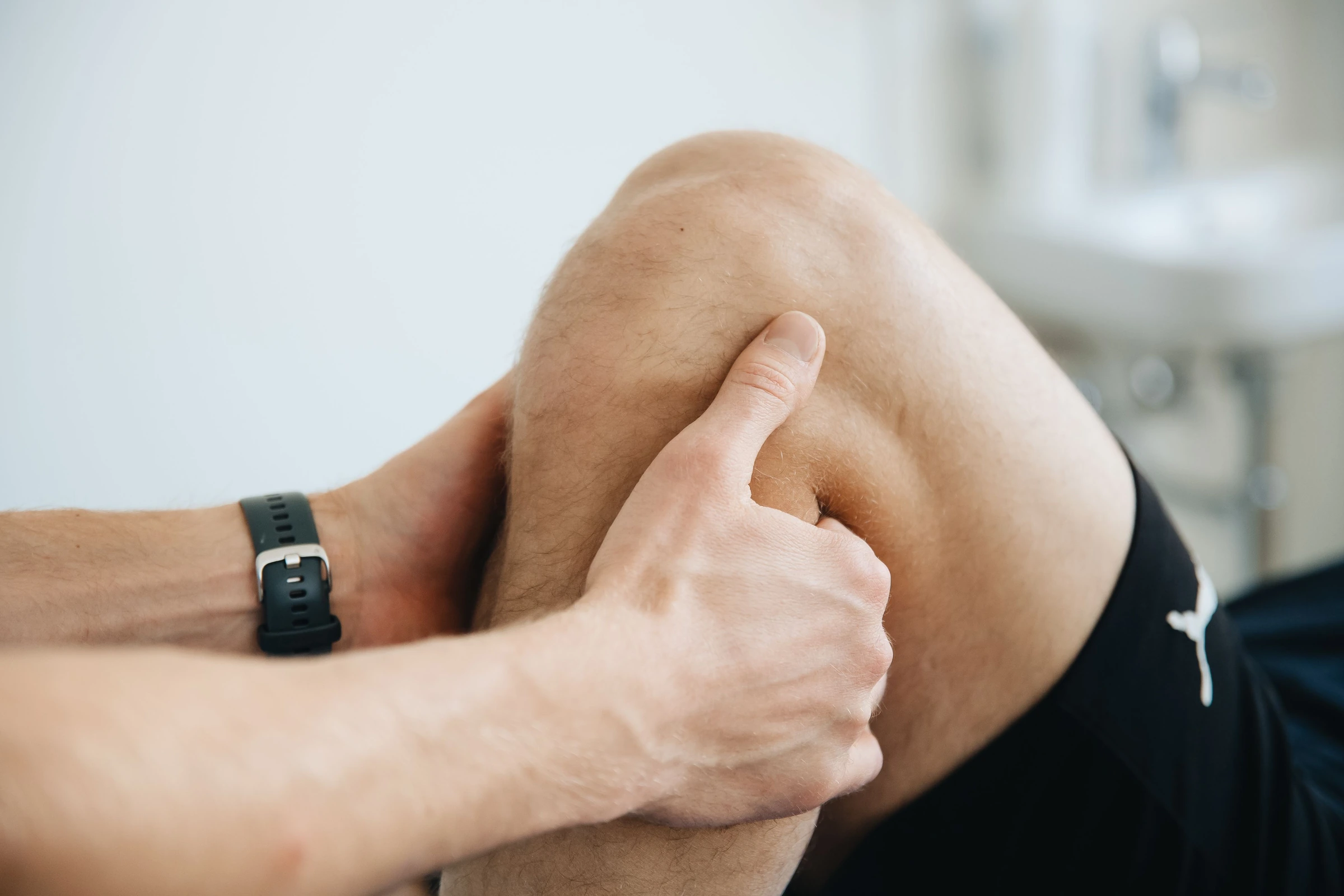
Knee Pain
Knee pain can range from a mild, short-term problem to a persistent condition or significant injury. Common contributors include overuse, normal wear and tear, sudden movements, and direct trauma. An orthopedic evaluation can help identify what is causing your symptoms and how much the knee is affected. Care may begin with conservative measures, with injections or joint replacement considered when appropriate.
Explore care options
Lumbar Spine
Lower-back pain can range from mild soreness to severe pain and may follow an injury at work, a car accident, a fall, or another strain. Lumbar spine problems can also cause pain, numbness, or tingling that travels into the legs or feet. Evaluation looks for the source of symptoms and helps guide care, which may include conservative treatments, injections, medicines, physical therapy, or surgery when appropriate.
Explore care options
Elbow Pain
Elbow pain often develops after repeated bending, twisting, athletic activity, work tasks, or everyday use. It can also follow an injury affecting the muscles, ligaments, bones, or joint. Symptoms may include stiffness, swelling, tenderness, reduced motion, or arm and hand tingling. Evaluation helps identify the cause and match care to your symptoms, goals, and needs.
Explore care options
Foot & Ankle Pain
Foot and ankle pain can develop after an injury, repeated activity, long periods of standing, changes in foot structure, or everyday wear and tear. Symptoms may affect walking, work, exercise, and other routines. Evaluation focuses on where the pain occurs, how it feels, and what makes it worse. Care may begin with nonsurgical options, while significant fractures or tears may require a surgical discussion.
Explore care options
Hand & Wrist Pain
Hand and wrist pain can affect the forearms, wrists, hands, or fingers and may follow overuse, repetitive computer or fine-motor work, or an injury. Symptoms can include pain, numbness, tingling, stiffness, swelling, tenderness, and reduced movement. An orthopedic evaluation can help identify the cause and guide a treatment plan based on your symptoms and exam findings.
Explore care options
Neck & Back Pain
Neck and back pain can range from mild aching to severe, disabling discomfort and may affect movement, sleep, sitting, or standing. Pain may worsen with certain movements, coughing, or sneezing, and can include numbness, tingling, or shooting pain into the arms or legs. A careful consultation, exam, and appropriate testing help identify the cause and guide treatment.
Explore care optionsHow did it happen?
Select an injury pathway to see existing services that may fit the circumstances around your symptoms.
Care after an accident or injury.

Workers’ Comp & Auto Injuries
Workplace and auto-accident injuries can affect the neck, back, shoulders, hips, knees, hands, or ankles, and symptoms may not always appear right away. Evaluation can help identify an injury, document what happened, and guide a treatment plan. Care is based on the type and severity of the injury, with practical guidance about activities that may worsen discomfort while you recover.
Explore care options
Personal Injury
Personal injuries from car crashes, falls, assaults, and other incidents can affect muscles, joints, nerves, and bones. Whiplash, soft-tissue injuries, pain, and fractures may interfere with daily activities. An orthopedic evaluation can review what happened, examine your symptoms and movement, and help identify appropriate next steps. Care may include conservative treatment, injections, or surgery when the injury or its course makes those options appropriate.
Explore care optionsWhat kind of care are you exploring?
Review treatment options that may be discussed as part of an individualized plan.
Stem Cell Therapy
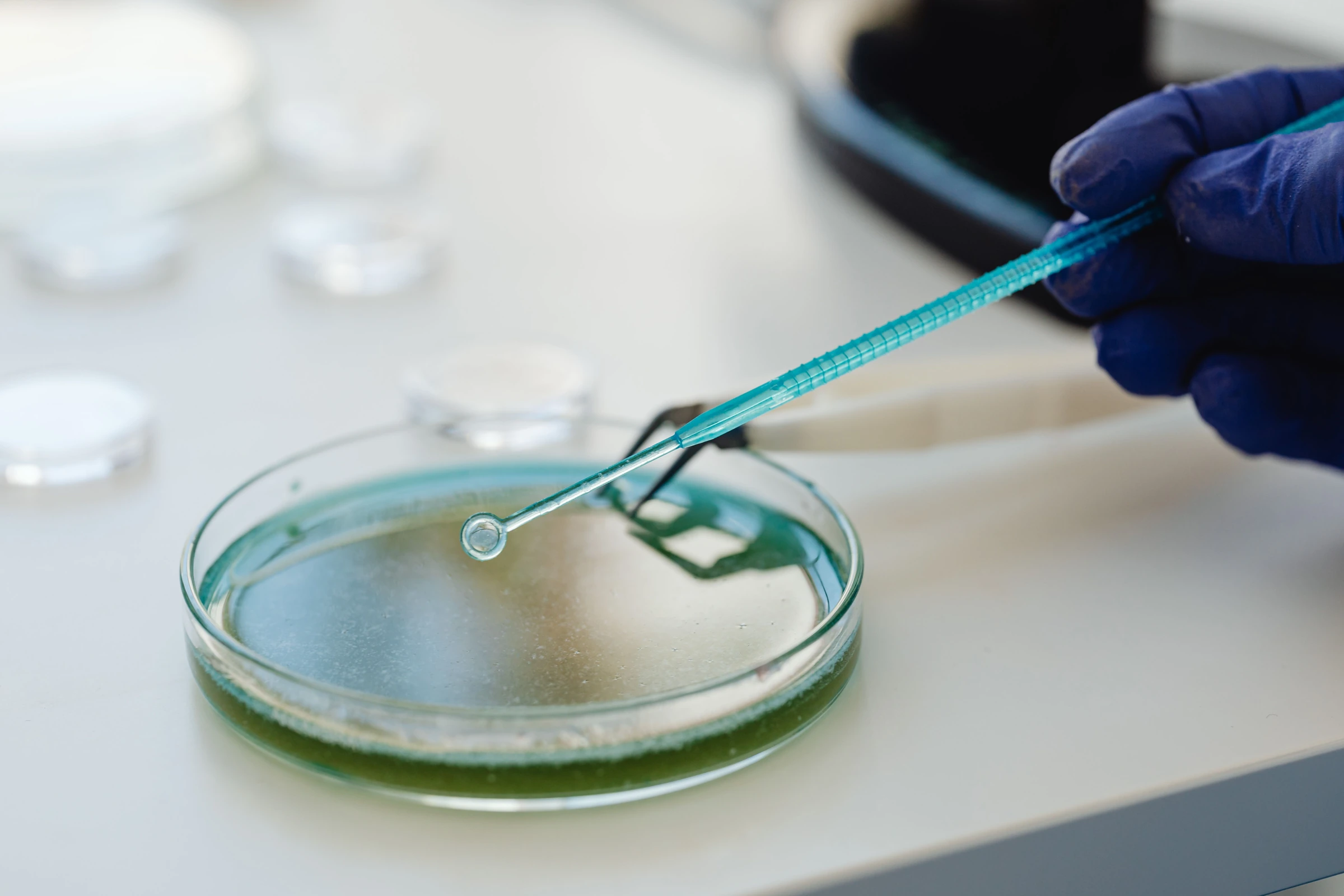
Stem cell therapy is a minimally invasive regenerative medicine option discussed for chronic joint pain, inflammation, and certain soft-tissue injuries. The source describes injecting stem cell products into injured bones, cartilage, ligaments, muscles, or tendons to support the body’s natural healing response. It may be considered when conservative care has not provided enough relief. Eligibility is individual, and potential benefits, limitations, alternatives, and risks should be reviewed with a qualified clinician before treatment.
Explore care options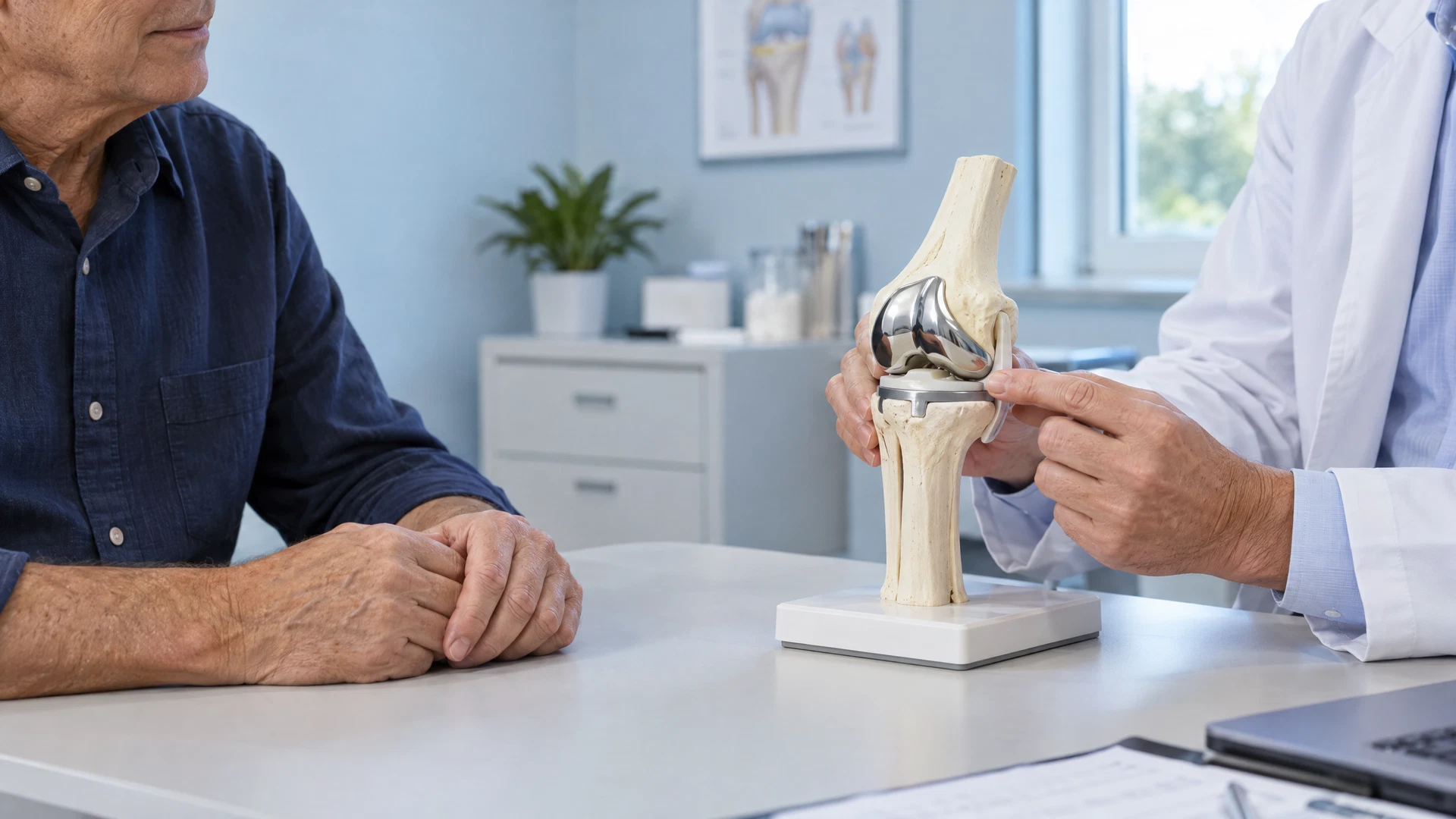
Joint Replacement
Joint replacement may be considered when chronic joint pain and disability continue despite conservative care. The procedure removes damaged tissue and replaces worn joint surfaces with prosthetic implants. Ortho One Jacksonville describes partial and total replacement options for the shoulder, hip, and knee. Treatment decisions depend on the joint involved, the extent of damage, symptoms, overall health, and a discussion with an orthopedic specialist.
Explore care options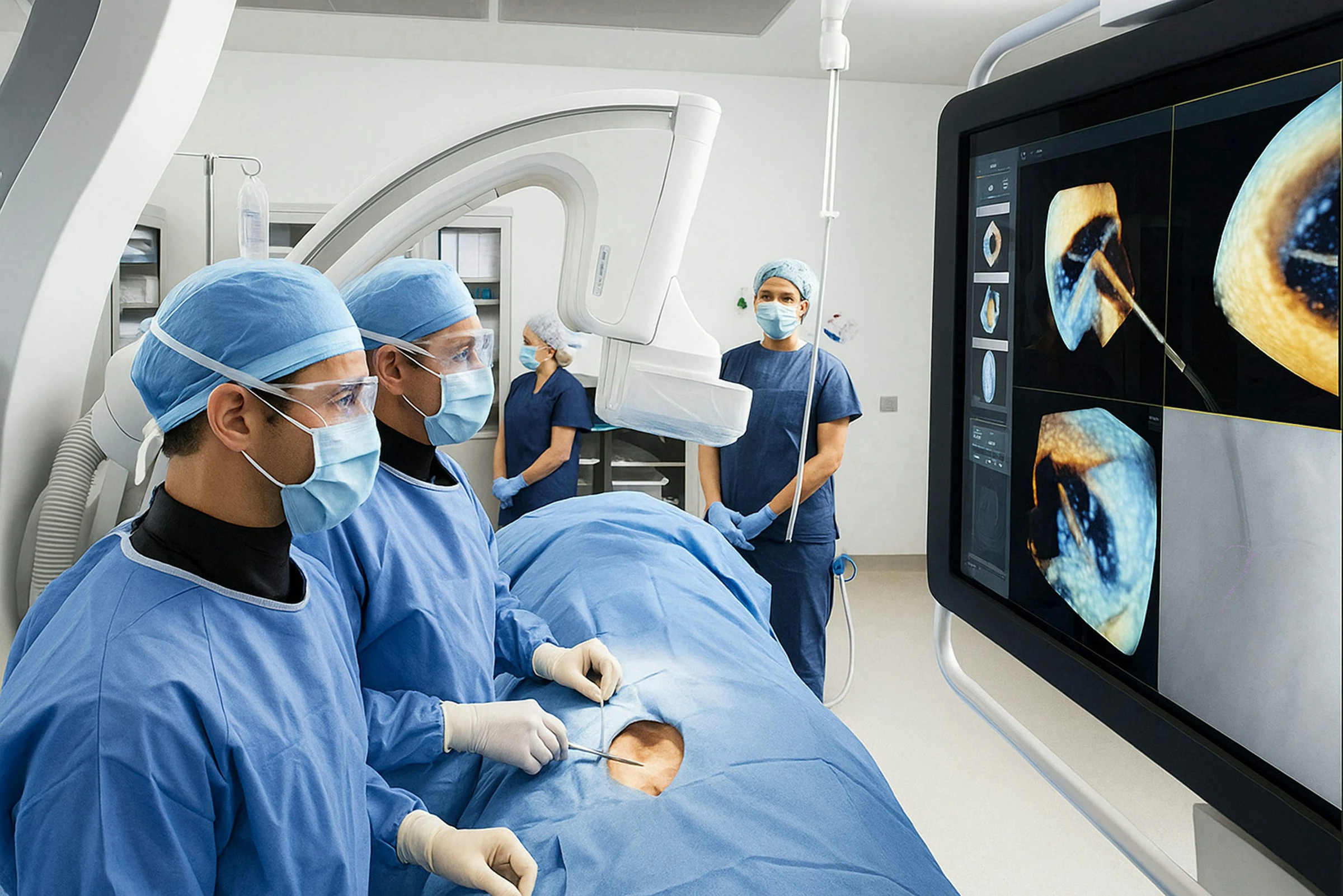
Orthopedic Surgery
Orthopedic surgery uses procedures to repair or remove damaged muscles, tendons, ligaments, bones, joints, and other musculoskeletal tissues after an injury or disease. It may be considered when rest, medication, injections, physical therapy, or other conservative care has not adequately addressed the problem. An orthopedic evaluation helps identify the affected tissue, review treatment choices, and determine whether surgery is appropriate for your situation.
Explore care options
Pain Management
Persistent pain can make movement, work, rest, and everyday activities more difficult. Pain management brings together evaluation, diagnosis, and treatment to address chronic pain related to an injury or disease. Care may include practical lifestyle changes, medicines or injections, physical therapy, regenerative medicine, or surgery when appropriate. The right approach depends on your symptoms, health history, examination findings, and the underlying cause of pain.
Explore care optionsCoordinating care for an injury?
Providers and attorneys can visit our referral information page for the next steps and referral coordination contacts.