
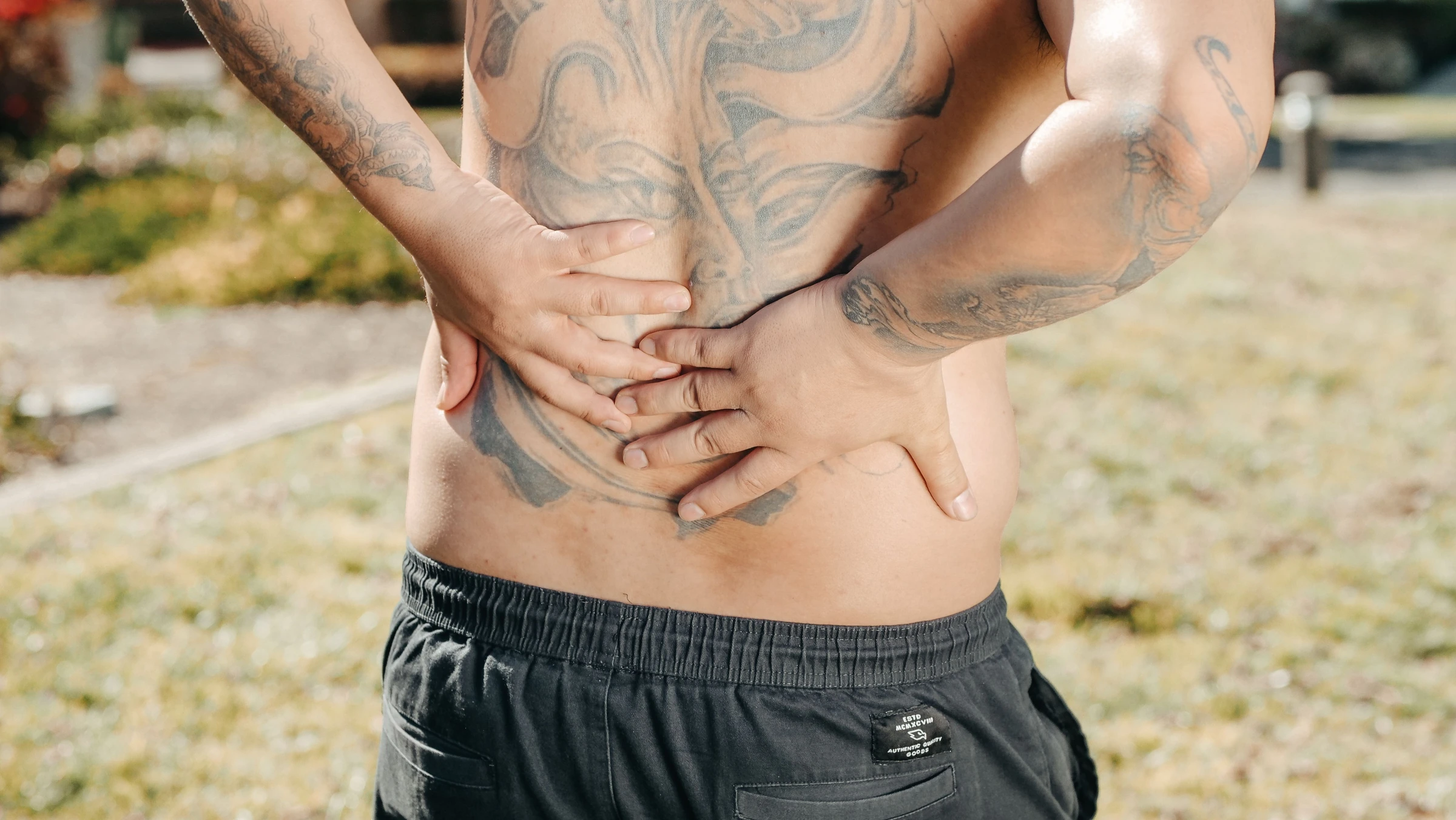
Overview
The lumbar spine is the lower portion of the back and can be affected by injuries, arthritis-related changes, disc problems, muscle spasms, and repeated physical stress. Symptoms may begin after slips, falls, collisions, repetitive activity, bending, twisting, improper lifting, heavier-than-usual lifting, or increased demands at work. Prolonged standing on a hard surface may also aggravate pain. A clinician considers the history and daily activities that affect your symptoms.
Common symptoms
- Lower-back soreness or pain
- Sharp or shooting pain
- Pain that travels from the lower back into the legs or feet
- Numbness or tingling in the legs or feet
- Pain that worsens with bending, twisting, lifting, or other activity
- Reduced movement or difficulty with routine activity
Conditions we evaluate
- Whiplash
- Arthritis
- Degenerative joint disease
- Sprains and strains
- Herniated discs
- Spondylolisthesis
- Bone spurs
- Muscle spasms
Diagnosis
Diagnosis begins with a conversation about where your pain is located, how severe and frequent it is, and whether an injury, trauma, or activity may have caused it. The physical examination can include checking lower-back, hip, and leg strength; range of motion; basic nerve function; and movements that reproduce symptoms or place pressure on the lower back. If needed, X-rays or an MRI may add detail. Your provider then explains the findings and discusses an appropriate plan.
Treatment options
Care depends on the cause, symptoms, and how much the problem affects you. For mild to moderate pain, options may include rest, hot or cold therapy, nonsteroidal anti-inflammatory medicines, and physical therapy. More involved problems may be treated with joint injections, prescription pain medicines, or surgery. If stem cell therapy comes up, it should not be assumed to be a cure or suitable for every patient. Ask the treating clinician to discuss eligibility, evidence, alternatives, possible benefits, and risks before considering it.